
 EN
EN RU
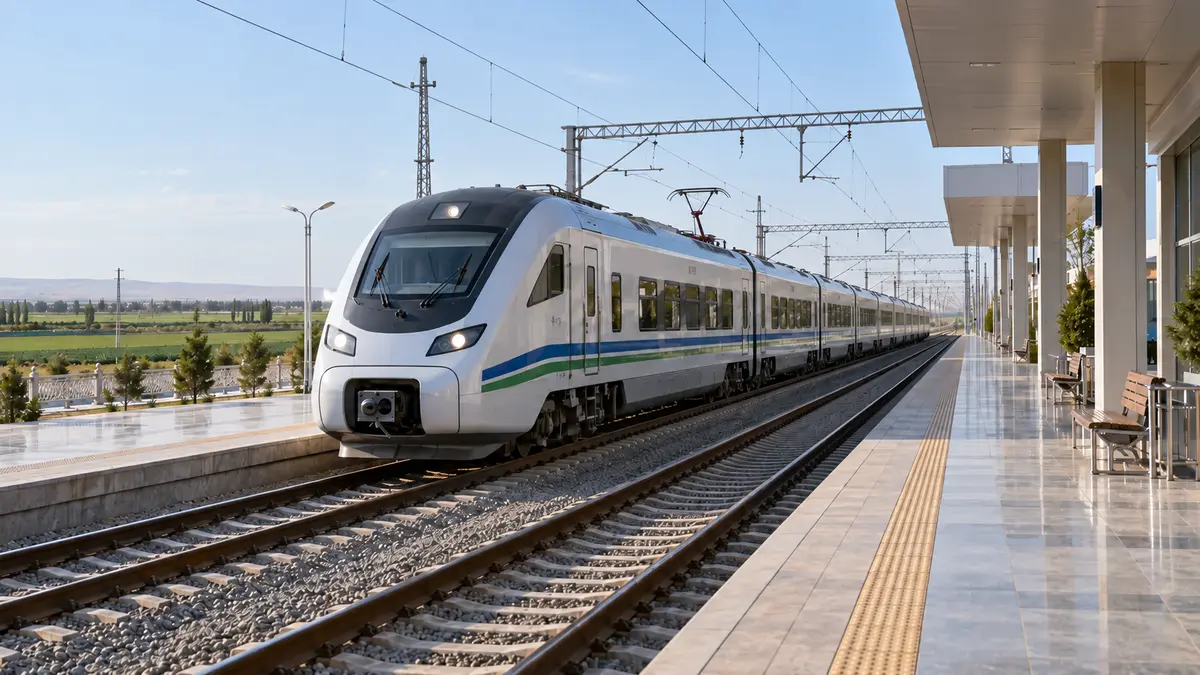
RUA high-speed train is assembled at the end of a much larger industrial argument. Its carbody, bogies, traction, brakes, software, aerodynamics and passenger systems must work together, while the line beneath it needs rails, bridge steel, reinforcement and cables in a coordinated schedule. Russia's first train for the planned Moscow–Saint Petersburg route therefore mattered less as one vehicle than as the integration test of an entire manufacturing and infrastructure system.
The programme update described a beginning
On 6 July 2026, Prime reported that production of high-speed electric trains was being launched in Sverdlovsk Region. Some prototype units and assemblies had already been manufactured, and assembly of the first train was expected to begin before the end of 2026.
The wording did not mean that a complete train had entered serial production or passenger service. It identified a transition from component development toward system assembly.
The pilot route was planned to connect Moscow and Saint Petersburg. The source did not disclose train speed, fleet quantity, delivery price, passenger capacity, localisation percentage or final certification results.

A complete train could be integrated only after structures, running gear, power collection, traction and controls reached compatible states.
A train was a system of systems
A passenger sees one vehicle. Engineers manage interacting systems with different suppliers, physical principles and failure modes. A lighter carbody changes vibration; greater traction affects cooling and power demand; software changes can alter braking response.
Programme architecture must decompose top-level requirements into measurable subsystem obligations and preserve their connections. Each requirement needs an owner, verification method and evidence location.
Interfaces deserve special attention because they sit between organisational boundaries. Dimensions, loads, signals, power, thermal paths and maintenance access must agree before hardware arrives at final assembly.
Prototype hardware reduced specific uncertainty
The announcement said that some experimental units and assemblies had already been made but did not identify them or state their test results. A prototype is useful when it answers a defined question.
A structural specimen may validate joining and fatigue assumptions. A bogie rig can expose dynamic behaviour. A traction bench can test thermal margins and controls. Building hardware without a hypothesis produces activity rather than knowledge.
Each prototype should connect its configuration, instrumentation, test conditions, results and deviations. Evidence from an early design cannot automatically qualify a later changed design.
Configuration control kept one train from becoming many
Thousands of parts, drawings and software items evolve during development. If suppliers build from different revisions, problems appear during integration when correction is most expensive.
A configuration baseline defines what is approved for a given prototype or train. Change control then evaluates technical impact, affected inventory, tests, tools, documentation and schedule.
Urgent changes still need traceability. A workshop improvement written only in a message or remembered by one engineer cannot support repeatable production.
Evidence needed before train assembly
- Approved subsystem requirements and interface definitions.
- Released drawings, software and bills of material.
- Qualified special processes and critical suppliers.
- Prototype results linked to the installed configuration.
- Calibrated tooling, inspection plans and trained operators.
- A controlled list of open deviations and closure dates.
The carbody established geometry and load paths
High-speed carbodies need low mass, stiffness, fatigue durability, crash behaviour, pressure integrity and precise interfaces. These objectives can conflict.
Material batches, extrusion or panel geometry, welding, bonding and heat effects require control. Small distortion can multiply across a long vehicle and complicate doors, windows, interiors or train coupling.
Dimensional inspection should occur during assembly, not only at the end. A digital geometry record helps distinguish tool drift, process variation and isolated error.
Bogies connected speed to the track
The bogie carries the vehicle, guides wheelsets, supports suspension, transmits traction and braking, and influences ride and stability. Its performance depends on components behaving as a tuned system.
Wheel profiles, bearings, frames, dampers, springs, brakes and sensors need controlled tolerances and traceable assembly. Tightening sequence or alignment can affect behaviour even when every part passes separately.
Bench and track tests examine loads, temperatures, vibration and wear. Maintenance intervals must be supported by evidence, not copied from a slower or different platform.
Traction and power collection shared one energy chain
The pantograph receives power from overhead equipment; converters manage electricity; motors create torque; controls coordinate demand and protection. A weakness at any point limits the whole train.
Dynamic contact quality depends on vehicle motion and line geometry. Electrical harmonics, cooling, insulation and electromagnetic compatibility create further interfaces.
Subsystem benches can test normal and abnormal states before full integration. The train then verifies behaviour under realistic combined loads.
Braking needed independent and integrated proof
High-speed braking combines electrical and friction systems with adhesion management, signalling commands and emergency functions. Performance changes with speed, load, temperature and rail condition.
Safety analysis identifies hazards, protections and required independence. Test evidence must show both ordinary control and response when a component or communication path fails.
Stopping performance is a train-and-infrastructure property. It depends on vehicle equipment, track, power, signalling assumptions and operating rules.
Software became rolling-stock configuration
Modern trains depend on software for traction, brakes, doors, diagnostics, passenger systems and coordination. A software build is therefore part of the physical train identity.
Requirements, code, tests and released binaries need traceability. Cybersecurity must cover development tools, supplier deliveries, onboard networks, maintenance access and update procedures.
Remote or depot updates require rollback, compatibility checks and proof of installation. Uncontrolled software variation can make nominally identical trains behave differently.
Human factors shaped technical performance
The driver's information, alarms and controls should support fast comprehension without overload. Maintenance teams need safe access, lifting points, diagnostics and clear isolation.
Passenger environments introduce evacuation, accessibility, pressure comfort, noise, climate and luggage interfaces. The source did not disclose the intended interior or passenger capacity.
Mock-ups and task trials reveal problems that drawings miss. Human-factor findings should change hardware and software before serial tools freeze the design.
Final assembly was an integration laboratory
When the first carbody receives equipment, hidden assumptions become physical conflicts. Cable routes compete with ventilation, tolerances accumulate, maintenance access narrows and software waits for real signals.
Teams need a structured process for non-conformities: identify, contain, analyse, approve disposition and feed learning back into design or work instructions.
Closing a deviation on the first train is not enough. The permanent correction must reach supplier drawings, tools, training and future units.

The train and the line required separate evidence streams that converged at programme entry into service.
Verification needed a ladder, not one final test
Testing should begin at material and component level, continue through subsystem rigs and vehicle tests, then reach complete-train and route conditions. Each level answers different questions.
Lower-level evidence is cheaper and more diagnostic. Full-train tests reveal interactions but are a poor place to discover basic component weakness.
A verification matrix maps every requirement to analysis, inspection, demonstration or test. Open evidence should remain visible even when schedule pressure encourages optimistic closure.
Industrialisation followed design maturity
A prototype can tolerate manual fitting, specialist attention and long inspection. Serial production needs controlled takt, repeatable tools, stable suppliers and defined acceptance.
Design for manufacture reduces inaccessible joints, unnecessary variation and adjustment. Design for maintenance considers later inspection and replacement before the interior blocks access.
Rate-readiness reviews should examine people, equipment, material, methods, measurement and demand. Adding shifts before process capability merely produces defects faster.
Supplier quality reached beyond incoming inspection
A high-speed train relies on specialised castings, electronics, bearings, cables, glass, seals and safety-critical assemblies. Final inspection cannot prove every hidden process.
Critical suppliers need process qualification, controlled sub-tier sources, change notification and auditable records. First-article evidence confirms that the production route can meet requirements.
Dual sourcing may improve resilience, but an alternative needs qualification. A second name on a purchasing list is not an interchangeable supply path.
One million tonnes linked trains to civil works
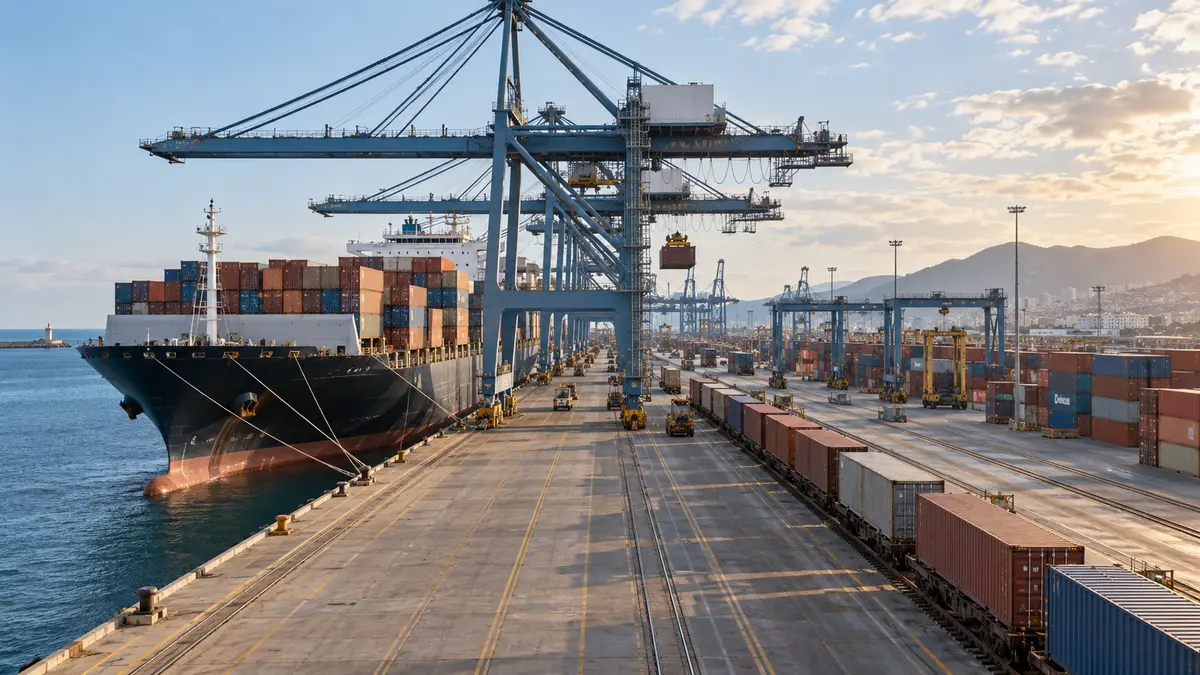
The source said that domestic orders for rail products, reinforcement, bridge steel and steel cables for line construction totalled more than one million tonnes. It did not say that all material had already been produced, delivered or installed.
This demand belonged to infrastructure rather than the train itself. Yet schedule interaction is direct: a qualified train without a ready line cannot provide service, while completed track without accepted rolling stock cannot carry passengers.
Material categories need separate specifications, mills, fabrication routes, inspection and delivery sequences. Combining them into one headline number should not hide different readiness risks.
Infrastructure materials required genealogy
Rails, reinforcement, bridge plate and cable must connect certificates and test results to physical lots and installed locations. Traceability supports acceptance and later investigation.
Storage, handling, welding and site conditions can change performance after mill release. Quality responsibility therefore crosses producers, fabricators, logistics providers and contractors.
Digital records should match field identity. A complete database with uncertain links to installed material offers weak assurance.
Two schedules needed one programme clock
Train engineering and line construction progress through different milestones. The integrated schedule should connect design releases, prototype tests, manufacturing capacity, depots, power, signalling and route trials.
Dependencies need accountable owners and realistic buffers. A milestone shown as complete while its inputs remain provisional simply moves risk forward.
Scenario planning can test late equipment, supplier failure, test repetition or construction delay. The objective is not a schedule without uncertainty but one that exposes consequences early.
Capacity was more than factory floor area
Output depends on bottlenecks such as carbody joining, painting, bogie assembly, commissioning tracks, software loading and acceptance teams. A large hall does not guarantee balanced throughput.
Capacity models should use product mix, cycle time, yield, maintenance and learning. First-train work will not represent mature serial rhythm.
Managers need to distinguish installed, demonstrated and saleable capacity. Only the last includes quality release and customer acceptance.
Skills were part of the production asset
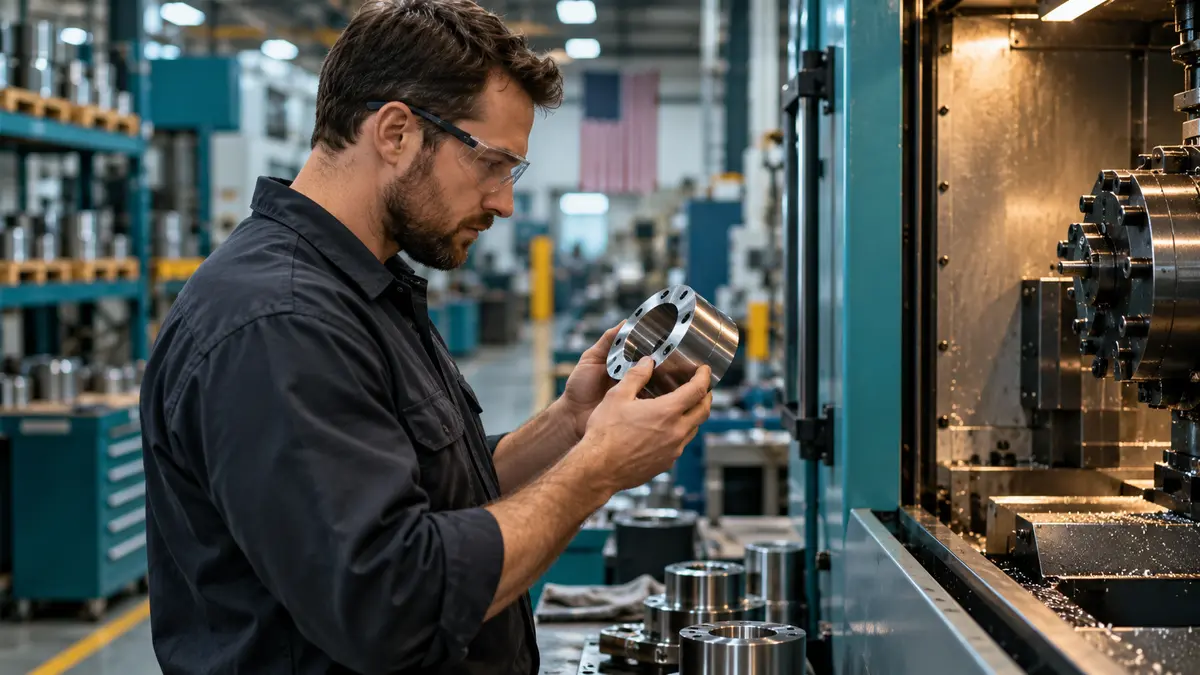
Engineers, welders, electricians, software specialists, test crews, inspectors and maintainers carry knowledge that machines cannot replace. Qualification must reflect actual tasks and special processes.
Training should combine theory, supervised practice and observed assessment. A certificate of attendance is weaker than demonstrated competence.
Succession and shift coverage matter because reliance on one expert can stop a line or delay a test. Lessons from the first train should enter standard work and training material.
Economics depended on lifecycle performance
Purchase price is only one part of train economics. Energy, maintenance labour, spare parts, reliability, availability, wheel and brake wear, software support and overhaul shape lifetime cost.
Design decisions move costs between factory and operation. Easier assembly may make replacement difficult; a lighter component may require more inspection.
The business case should use evidence from tests and early operation, with uncertainty shown rather than hidden behind one forecast.
Acceptance required institutional clarity
The manufacturer verifies product conformity; the infrastructure organisation verifies the line; operators confirm procedures and competence; authorities apply safety and entry rules. Responsibilities overlap but should not blur.
Evidence packages need controlled documents, approved deviations and configuration identity. A successful demonstration on one setup does not approve an undocumented variation.
Readiness reviews should include unresolved hazards, restrictions, maintenance capability and emergency arrangements, not only completed tests.
Questions the first train must answer
- Are subsystem interfaces stable and tied to one configuration?
- Do prototype results cover the hardware and software installed?
- Can production repeat special processes without expert improvisation?
- Are route, depot, power and signalling milestones aligned with train tests?
- Can material genealogy connect the million-tonne order to installed assets?
- Which evidence releases the next train and the next production rate?
The first train was a programme instrument
That knowledge also needed a durable owner, controlled records and a budget for closure.
For industrial companies in Russia, the project created demand across rolling stock, metals, electronics, construction and services. Geography alone would not create integration.
The first train's most important output would be knowledge: which interfaces were sound, which suppliers were capable, which tests found weakness and which work could become standard.
Assembly by the end of 2026 was therefore an important planned gate, not the conclusion. The manufacturing system would prove itself when evidence from one integrated train could support safe acceptance, repeatable production and a line ready to carry it.















HOT NEWS INTERNATIONAL
Leave a comment