
 EN
EN RU
RU
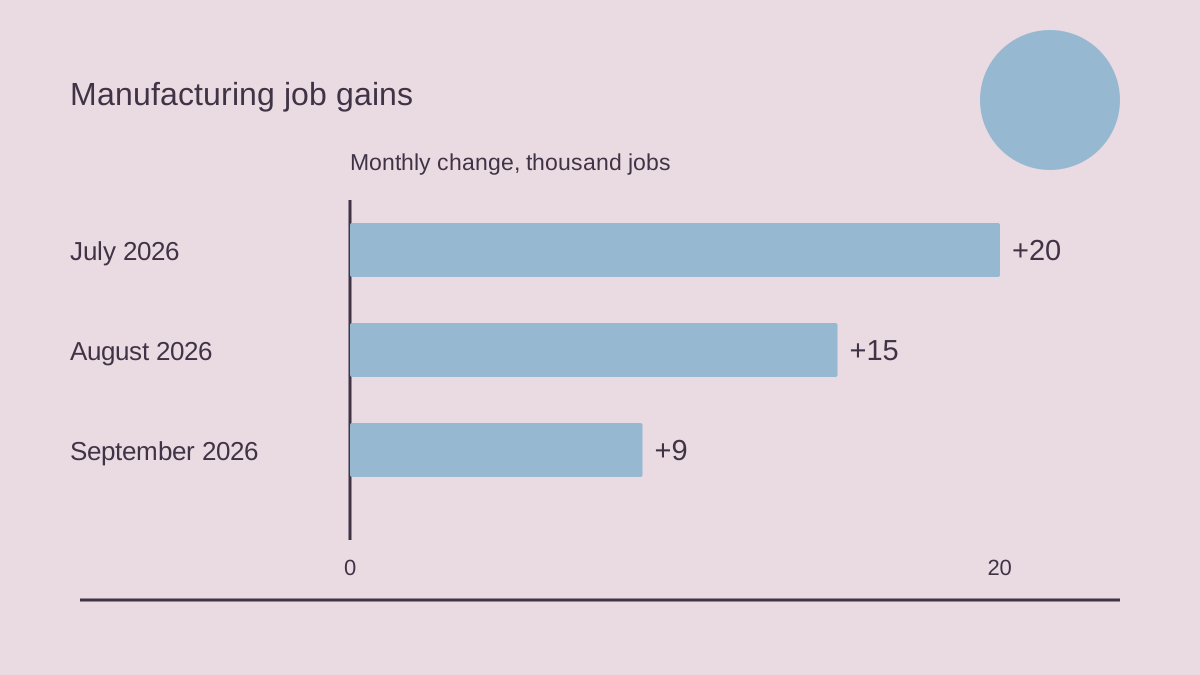
Manufacturing employment in the United States increased by 9,000 in September 2026, following increases in the preceding two months, according to the employment figures reported by Manufacturing Dive on 2 October. The increase was smaller than the revised gains in the preceding two months; a positive result does not establish an acceleration in hiring.
September follows two revised increases
The August manufacturing result was revised to a gain of 15,000 jobs, compared with the previously reported gain of 16,000. July was revised more sharply, to a gain of 20,000 from an earlier gain of 5,000. Combining the latest monthly changes gives a net increase of 44,000 across July, August and September. This is an arithmetic comparison of the reported monthly changes, not a separate official estimate or a forecast for the next quarter.
Across the US economy, September payrolls grew by 29,000. Manufacturing’s positive contribution therefore formed part of a modest overall monthly increase. The industry figure and the economy-wide figure describe different coverage; they should not be added together as independent gains because manufacturing is already included in the broader total.
Hiring varies by manufacturing branch
Within manufacturing, plastics and rubber products added 4,600 jobs, and machinery added 4,500. Paper manufacturing lost 2,600. Those selected branches do not constitute a full accounting of every manufacturing subsector. Their combined result should therefore not be treated as the complete industry total, and the positive figures do not mean every factory experienced the same conditions.
- September manufacturing payroll change: an increase of 9,000.
- August manufacturing payroll change, revised: an increase of 15,000.
- July manufacturing payroll change, revised: an increase of 20,000.
- The latest three monthly changes together: a net increase of 44,000.
Vacancies describe a separate labour-market measure
The report also cited August job-openings data: manufacturing had 522,000 openings and 311,000 separations. Reported components of separations included 197,000 quits, 95,000 layoffs and discharges, and 18,000 other departures. These rounded components do not exactly reproduce the rounded total. Vacancies are open positions rather than completed hires, while separations count departures; neither measure is interchangeable with the September net payroll change.
The figures give employers a reason to distinguish a positive monthly result from a durable expansion in their own workforce. September’s gain is visible in the current estimates, but earlier revisions demonstrate that the account can change as more information becomes available. The next employment releases will provide additional evidence about whether job creation continues and at what pace. This report makes no prediction about those future results.




















HOT NEWS INTERNATIONAL
Leave a comment