
 EN
EN RU
RUA 50% capacity target sounds like a machine-tool purchase. For a heavy-engine plant, it is a systems problem. Castings and forgings must arrive with stable quality, precision operations must share scarce equipment, assembly must manage thousands of parts, test cells must reproduce different duty cycles, and field feedback must return to engineering. Kolomna Plant's plan to move from 500 engines in 2025 to capacity for 750 in 2028 showed why output grows only when the entire industrial chain moves together.
The target was future capacity, not current production
On 11 November 2025, Gazeta.Ru reported that Kolomna Plant, part of Transmashholding, planned to increase annual engine capacity from 500 in 2025 to 750 by 2028. The later figure was a target, not achieved 2025 output.
The article separated investment periods. The plant directed 12.5 billion rubles to its production base in 2018–2022 and planned roughly 26 billion rubles for 2023–2027. Neither amount should be assigned to one machine, workshop or product family.
The programme involved new machine tools, equipment and technological improvements. Those inputs enable capacity, but accepted engines depend on how equipment, people and quality controls perform together.

The product portfolio multiplied the planning problem
The plant made diesel, gas-diesel and gas-piston units for mainline locomotives, ships, mining equipment and energy. It also offered engines for liquefied gas, associated gas, crude oil and multifuel operation.
Reported maximum power ratings differed by application: up to 7,350 kilowatts for shipbuilding, 6,500 for energy and 4,400 for locomotives. These ratings were category examples, not a claim that every model or customer used the maximum.
Variety protects demand by serving several markets, yet it consumes engineering and production capacity. Each configuration can require different fuel equipment, cooling, controls, emissions treatment, mounting, testing and documentation.
Management therefore needs a platform view. Shared blocks, components and processes create scale; unique interfaces remain controlled product variants rather than informal exceptions.
Capacity had to be defined at the accepted-engine boundary
A factory can increase machined parts while finished-engine deliveries remain unchanged. The slowest qualified step sets useful capacity.
The boundary should be an engine that has completed assembly, test, documentation and customer release. Work in progress does not count merely because it has consumed material and labour.
A capacity model needs route time, yield, changeover, planned maintenance, unplanned downtime and product mix. Dividing calendar hours by average cycle time creates a misleading number when variants compete for the same machines and test cells.
A constraint map for the target
- Long-lead castings, forgings, bearings, fuel systems and controls.
- Critical machining operations with limited qualified alternatives.
- Heat treatment, cleaning and dimensional inspection.
- Subassembly balance and final-assembly takt.
- Test-cell hours by engine family and duty cycle.
- Engineering release, customer acceptance and shipping windows.
Machine tools expanded only one layer
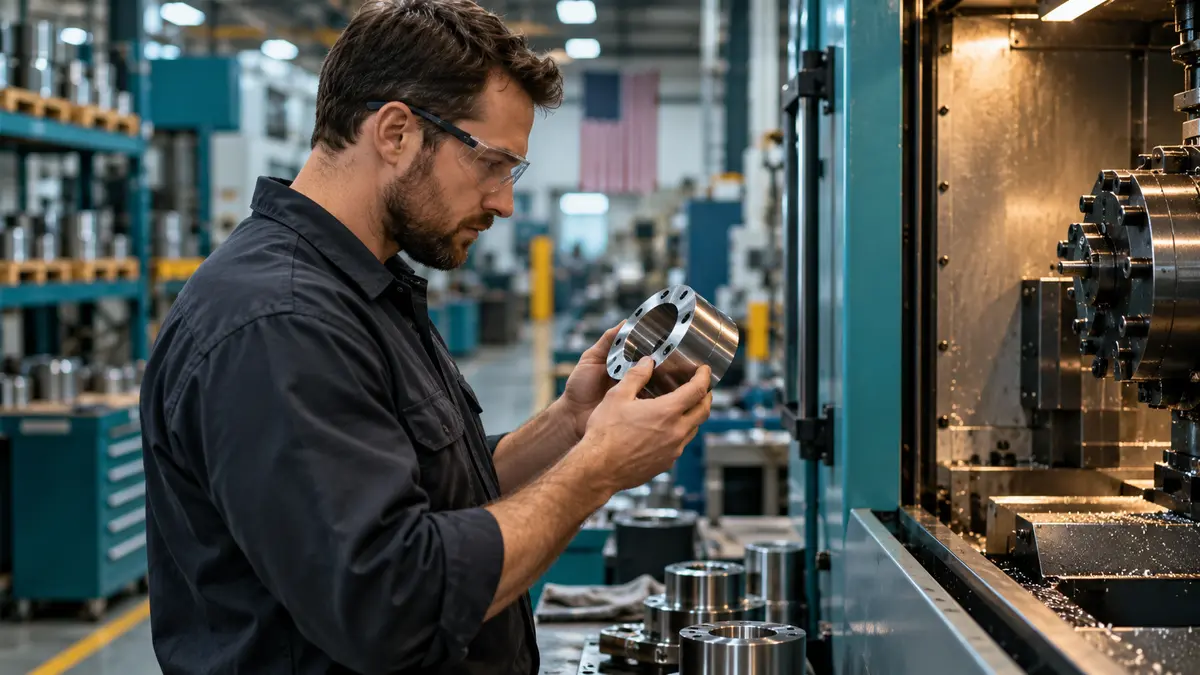
New equipment can reduce cycle time, increase precision and replace obsolete processes. Its benefit begins before installation with foundation, power, ventilation, tooling, programmes and measurement planning.
Commissioning should prove capability on representative parts. A fast machine that produces variation or waits for fixtures adds nominal capacity but not reliable output.
Operators and maintenance teams need time to learn alarms, tool wear and recovery. Early schedules should include controlled ramp losses rather than assume catalogue performance from the first shift.
Supplier quality entered the engine before assembly
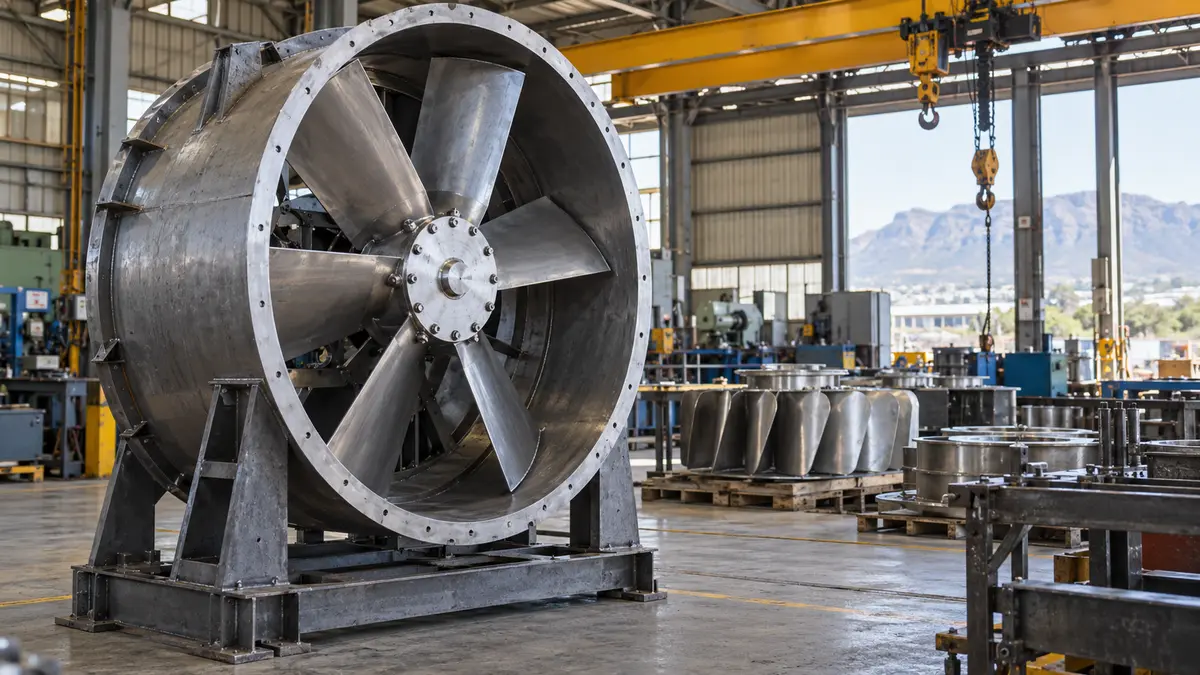
Large castings and forgings carry material history into the finished product. Internal defects, dimensional drift or inconsistent heat treatment can appear late, after expensive machining.
Supplier development should combine process audits, sample approval, incoming evidence and feedback from machining. Rejecting a defect at the gate is necessary, but preventing its recurrence creates capacity.
Long-lead items need visibility across forecast, confirmed order and engineering revision. Buying extra stock protects the line only if the component remains technically valid.
Test cells could become the hidden bottleneck
Every engine must demonstrate more than the ability to turn. Testing can include starting, load steps, temperatures, pressures, vibration, fuel consumption, controls, protection logic and leak checks.
Marine, locomotive and stationary duty profiles differ. A shared test cell needs adaptable interfaces and schedules that recognise setup and cooling time.
Increasing assembly without test capacity creates expensive queues of complete engines. The capacity programme should model test hours, first-pass yield, retest causes and maintenance of the stands themselves.
Configuration control protected a diverse portfolio
Thousands of parts, software versions and customer options make memory unsafe. Each serial engine needs a controlled bill of materials, drawings, process route, control calibration and test procedure.
A change for one market should not migrate silently into another configuration. Engineering review must assess interfaces, spares and field units before release.
Serial traceability connects a test result or field event to the exact installed state. That evidence supports containment without stopping every engine family.

The investment sequence needed stage gates
A multi-year programme should not be governed as one irreversible amount. Each wave can close a verified constraint and produce evidence for the next.
- Confirm demand and product mix rather than only the total target.
- Baseline machine, supplier, test and workforce constraints.
- Install and qualify the first capacity package.
- Demonstrate stable yield and delivery at an intermediate rate.
- Release the next package when the constraint map is refreshed.
Stage gates avoid buying identical capacity for a bottleneck that has already moved. They also preserve the option to change product mix as customer plans evolve.
Customer diversity stabilised demand and complicated acceptance
Named customers included Russian Railways, United Shipbuilding Corporation, Rosatom and BelAZ. The list indicated several end markets; it did not prove that each buyer ordered every engine type.
Rail customers value fleet compatibility, service intervals and depot support. Shipbuilders coordinate engine delivery with hull construction and classification. Energy customers integrate generators into site controls and fuel systems. Mining equipment faces dust, load variation and remote service.
One factory therefore needs different acceptance calendars, documentation and field interfaces. A common core should reduce complexity without erasing application responsibility.
Demand planning had to look beyond the annual number
Five hundred and 750 are annual totals. Production decisions occur by month, family and customer milestone.
A credible plan separates firm orders, framework demand and opportunities. It applies confidence ranges rather than loading every prospect into one schedule.
Seasonality and project timing matter. A ship or locomotive programme can shift, leaving dedicated material and capacity stranded. Flexible platform components reduce this exposure, while unique long-lead items require contractual protection.
The workforce pipeline was production infrastructure
The plant cooperated with regional colleges, and more than 300 students reportedly completed placements each year. A training-and-production area operated under the federal Professionalitet project.
Placements are a pipeline, not guaranteed hiring. Students need supervised tasks, safety qualification, feedback and a visible path into skilled roles.
Modern equipment changes the skill mix. Operators interpret process data and tool condition; maintenance combines mechanics, electronics and control systems; quality teams use measurement evidence and statistical thinking.
Training capacity should be planned like machine capacity. Instructors, safe practice equipment and authorised assessors can become constraints during a fast ramp.
Standard work allowed learning to survive growth
At low output, experienced specialists can compensate for unclear instructions. At higher output, variation spreads across more shifts and new employees.
Standard work should capture sequence, critical parameters, inspection points, abnormal conditions and escalation. It is a controlled baseline for improvement, not a prohibition on judgement.
Changes need quick feedback from operators. A standard that is technically correct but impractical will be bypassed, creating hidden processes.
Maintenance became part of delivery reliability
Higher output raises equipment hours and reduces spare calendar time. A plant that reaches its target by postponing maintenance borrows capacity from the future.
Critical assets need condition monitoring, planned windows, repair skills and strategic spares. New machines require service arrangements that do not recreate external dependency through a single unavailable specialist.
Overall equipment effectiveness can help, but local percentages should not reward a machine for producing parts the next operation cannot absorb.
Mixed-model scheduling had to protect flow
A high-output marine engine and a locomotive engine can share operations while consuming very different hours. A schedule based only on unit count hides this load. Planners need standard hours by route and a finite-capacity view of scarce machines, inspection and test stands.
Campaigning similar variants reduces changeovers, but long campaigns delay other customers and increase finished inventory. The optimum balances setup loss, due dates, component readiness and test availability.
A frozen near-term window protects execution from constant sales changes. Beyond it, scenarios can absorb uncertainty. Expedites should carry a visible cost and displace a named order rather than enter the line as free priority.
Safety and environmental controls scaled with hours
More engines mean more lifting, machining chips, fluids, high-pressure systems, fuel handling and loaded test hours. Exposure can rise even when the process itself is unchanged.
Risk assessment should follow the new volume and layout. Crane conflicts, pedestrian routes, extraction, fire protection, spill control and emergency shutdown need proof under peak simultaneous work.
Test emissions, noise, coolant and waste also need capacity. An environmental system sized for the old rate can become the real constraint or create compliance risk during ramp.
Digital resilience protected physical capacity
Machine programmes, product definitions, tool offsets, calibration files and test recipes are production assets. A corrupted file or uncontrolled revision can stop several product families.
Backups should be tested through restoration, not merely reported as complete. Access follows roles, changes leave evidence and critical cells retain safe manual recovery procedures.
New connected equipment also expands the cyber boundary. Remote service needs controlled sessions and an expiry, while production networks should prevent one compromised workstation from reaching every machine.
The financial bridge ran from spend to customer value
Capital progress is not measured only by invoices or installed assets. Management needs a bridge from each package to qualified hours, accepted engines, reduced lifecycle cost and delivery performance.
Ramp consumes cash through training, trials, scrap, duplicated processes and work in progress. These costs should be planned rather than hidden in operating variance.
The business case should be refreshed with actual yield, load and demand. Sunk spending does not justify the next tranche; demonstrated capability and a credible remaining constraint do.
Field service closed the industrial loop
A heavy engine creates value over years, not at factory shipment. Commissioning, spares, overhaul and failure response influence the customer's capacity.
Field data should return by serial configuration and operating context. A repeated temperature, vibration or fuel-system event can drive design, supplier or maintenance changes.
Service growth must accompany factory output. More installed engines without parts and trained support enlarge warranty exposure and damage future demand.
Fuel diversity required application discipline
Liquefied gas, associated gas, crude oil and multifuel operation represent different commercial needs and fuel properties. They should not be treated as interchangeable labels.
Each route affects storage, conditioning, injection, controls, safety and maintenance. Qualification must reflect expected fuel variability and duty.
Portfolio governance should retain variants with credible customers and transferable technology. Complexity without repeat demand consumes engineering capacity needed for serial delivery.
Geography shaped service and supply
For industrial customers in Russia, long distances make regional parts positioning and remote diagnostics important. BelAZ links the portfolio to a major equipment customer in Belarus, where cross-border documentation and service planning must be explicit.
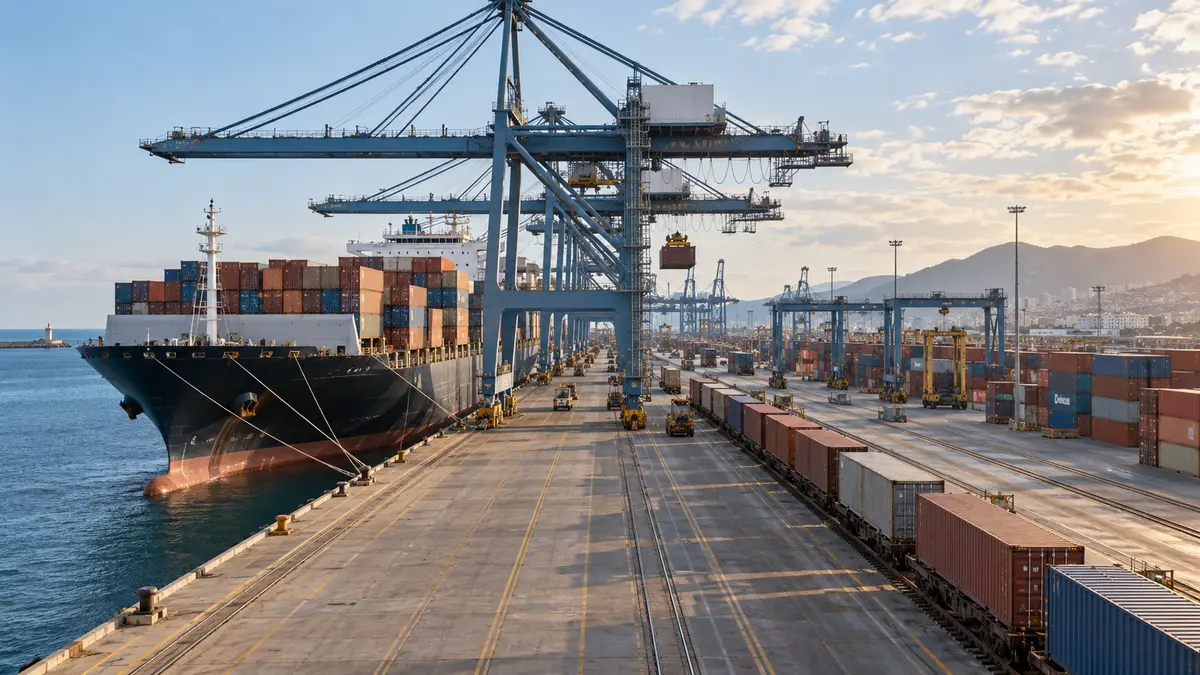
Logistics design should consider the engine's size, transport fixture, route permits and receiving readiness. A completed engine waiting for a shipping slot is still working capital.
A compact dashboard could expose the real constraint
- Accepted engines by family versus the mixed monthly plan.
- On-time delivery at customer milestones.
- First-pass yield in machining, assembly and test.
- Constraint hours lost by machine, supplier, material and skill.
- Test-cell queue, retest rate and cause closure.
- Work in progress and age by missing dependency.
- Field events, parts availability and response time.
- Trainee qualification and retention in scarce roles.
The dashboard should follow flow to an accepted engine. Maximising isolated activity can worsen queues and cash.
The 50% target was an operating-system test
The modernisation plan expressed a clear ambition: move from 500 engines in 2025 toward capacity for 750 in 2028. The source did not show that the later level had already been reached.
Success would mean more than installed machines. Suppliers would deliver qualified material, operations would hold capability, test cells would release mixed products, colleges would feed skilled roles and field service would support a larger installed base.
That is the central lesson. Heavy-engine capacity is a coordinated promise from material to customer duty. Investment creates the possibility; repeatable flow, evidence and learning convert it into output.


















HOT NEWS INTERNATIONAL
Leave a comment