
 EN
EN RU
RU
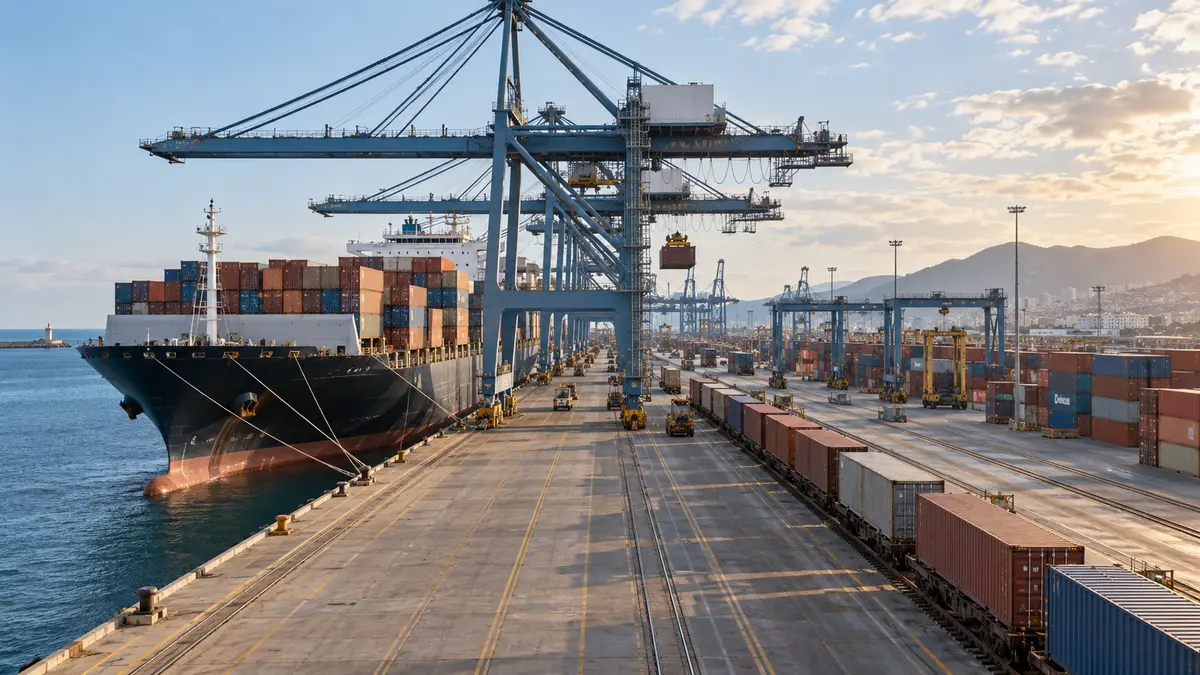
Russia's grain-export geography began to change visibly in 2024. Black Sea ports still handled the overwhelming majority of shipments, but new terminals on the Gulf of Finland offered something the established southern corridor could not provide alone: additional capacity, access for larger vessels, a rail outlet for inland producing regions and a second maritime route when one basin became congested or risky. The Baltic build-out was therefore more than a collection of silos and conveyors. It was an attempt to turn record harvests and a national export target into a more resilient logistics system.
A northern port boom moved from plan to operation
On 29 September 2024, Vzglyad described the rapid construction of Baltic grain terminals. Olga Samofalova reported that Port Vysotsky had shipped its first grain in April 2023 and was expected to reach annual design capacity of four million tonnes in 2024. Novotrans launched grain handling at Lugaport in June 2024 and expected that part of the complex to reach seven million tonnes by early 2025.
A proposed terminal at Primorsk added another five to seven million tonnes to the near-term map. Taken together, Vysotsky, Lugaport and Primorsk could provide roughly sixteen million tonnes of annual capacity. That figure was equal to about one quarter of the sixty to sixty-two million tonnes of Russian grain exports cited in the source. Additional proposals from Technotrans and the Sodrugestvo group lifted announced Baltic potential above thirty million tonnes.
Announced capacity is not the same as cargo handled. In the season discussed by the source, Baltic ports had shipped only about 1.5 million tonnes, although that was already three times the previous year's volume. Around ninety percent of grain exports still moved through the Black Sea. The commercial question was therefore not whether the Baltic had replaced the south, but how quickly terminals could attract reliable rail flows, customers, vessels and working capital.
This distinction protects analysis from a common infrastructure error. A terminal can be mechanically complete but commercially underused. Elevators need grain, railways need train paths, traders need contracts, and shipowners need cargoes large enough to justify calls. The business case emerges only when the whole chain works at a competitive delivered cost.
Export ambition required physical capacity
The federal objective gave the projects a wider context. In July 2024, the Russian government said agricultural exports should rise by fifty percent by 2030 compared with 2021, while agricultural production should increase by twenty-five percent. A later strategy update also emphasised logistics chains, market access and the expansion of export geography. These goals could not be achieved by farm output alone.
Grain becomes an export only after it moves through storage, quality control, domestic transport, port reception, customs procedures and ocean freight. Each interface can become the limiting factor. If the farm produces more than the railway or terminal can move, local prices weaken and inventories rise. If ships wait for cargo, freight economics deteriorate. If a port cannot receive larger vessels, exporters may pay more per tonne than competitors using deeper berths.
That is why capacity has strategic value even before every tonne is used. A second basin provides optionality during congestion, maintenance, weather disruption or security restrictions. It also gives traders another negotiating point when allocating cargo among terminals. Optionality is not free, however: underused infrastructure still consumes capital, maintenance and financing costs.
For Russia, the correct measure of success is not the number of announced terminals. It is the sustained volume moved at a competitive netback to producers, without shifting a bottleneck from the quay to rail junctions or regional elevators.
Why the Black Sea could not carry every growth scenario
Southern ports developed around Russia's strongest grain regions and established routes to import markets. Their scale, trading relationships and accumulated expertise remain difficult to reproduce. The Black Sea will therefore continue to be the core corridor rather than an obsolete one.
But concentration creates exposure. Peak-season arrivals can crowd railways, roads and terminal yards. Weather can interrupt loading. Regional events can change insurance, vessel availability and operating procedures. Even when a port has nominal spare capacity, inland approaches may constrain the effective throughput of the corridor.
A growing export programme magnifies these issues. The marginal tonne often comes from farther away, requires more storage or arrives outside the most convenient schedule. Adding only southern quay capacity may not solve the cost of moving grain from the Volga region, the Urals or Siberia. A northern route can shorten the domestic leg for some origins even if its ocean voyage differs.
Diversification also improves maintenance planning. Terminals, conveyors and shiploaders require scheduled outages. A network with several basins can redirect some cargo instead of forcing every repair into a narrow seasonal window. The value resembles spare capacity in manufacturing: it may look inefficient in a static spreadsheet but becomes valuable when disruption is considered.
The Baltic matched a different agricultural hinterland
Port geography begins inland. Vysotsky received grain from the Central Federal District, the Volga region, the Southern Urals and Siberia, according to the source. These producing areas do not all enjoy the same access to southern ports as farms in Rostov, Krasnodar or Stavropol.
A Baltic terminal can therefore compete on the complete route rather than on port fees alone. The relevant calculation includes the farm-to-elevator movement, storage, rail tariff, wagon turnaround, terminal charge, ocean freight, losses and financing time. A cheaper quay is not competitive if wagons spend days in queues. A longer sea route can still win if the domestic journey and vessel size produce a lower total cost.
Rail coordination is especially important. Grain is seasonal, while railway capacity must also serve coal, fertiliser, containers, metals and passenger services. Terminal operators need predictable train schedules and sufficient unloading speed to release wagons. Producers and traders need confidence that accepted nominations will become vessel cargo rather than delayed inventory.
Regional elevators are part of the same system. They assemble batches, dry grain, separate qualities and smooth the flow between harvest and shipment. Investing only at the port can leave the network starved or send inconsistent cargoes that slow loading and create claims.

Deep water changes the unit economics
Ust-Luga is Russia's deepest port, and Baltic sites can offer access to large-tonnage vessels. A larger cargo spreads crew, fuel, insurance and port-call costs across more tonnes. That advantage can improve the delivered price in distant markets, provided the berth, approach channel and shiploader can sustain the required performance.
Vessel scale does not automatically guarantee savings. A large ship that waits for grain or sails partly loaded can be more expensive than a smaller vessel with a reliable turnaround. Exporters must align parcel size with storage capacity and railway arrivals. The terminal needs enough segregated space to build a uniform cargo without blocking other customers.
Draft restrictions also vary with season and local conditions. Commercial planning should use realistic sailing drafts and weather allowances rather than brochure maxima. Demurrage, the charge for keeping a vessel beyond agreed loading time, can erase a thin trading margin very quickly.
Performance data therefore matters. Tonnes per hour at the shiploader, wagon unloading time, average vessel stay and unplanned downtime should be measured by commodity and season. A headline capacity number is useful for strategy; operating metrics determine profitability.
Old coal infrastructure acquired a new purpose
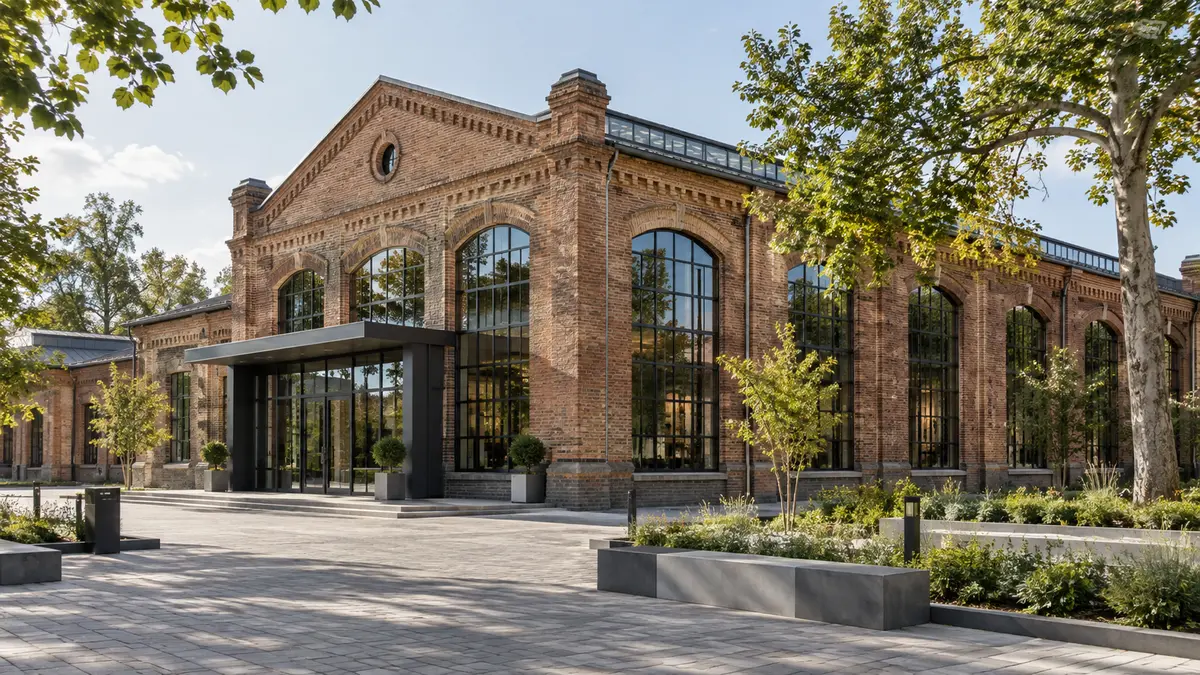
The Baltic transition also reflected changes in cargo mix. European demand for Russian coal had fallen, and some operators had already considered repurposing facilities. Vysotsky's terminal had handled significant coal volumes before its grain direction emerged. Converting existing industrial land, rail access and marine infrastructure can be faster than developing a completely greenfield port.
Yet grain is not simply another bulk commodity. Food cargo requires strict controls for contamination, moisture, pests and traceability. Conveyors and storage areas designed for coal cannot be reused casually. Engineering must address dust, explosion risk, sanitation and the separation of grain classes.
Repurposing succeeds when reusable assets are identified honestly. Breakwaters, rail corridors, power connections and berths may retain value. Product-contact equipment often requires new construction or deep modification. Treating every old asset as a saving can create quality failures and expensive rework.
The change illustrates a broader business principle: stranded infrastructure can regain value when trade patterns shift, but only through a technically credible conversion and a new customer base.
Markets beyond the traditional corridor
The source listed shipments from Vysotsky to countries across North Africa and Latin America. Cargoes to Algeria demonstrated the relevance of northern ports even for a destination often associated with southern routes. Shipments to Brazil illustrated the possibility of serving Atlantic markets from the Baltic.
New geography does not mean every destination is permanently better from the north. Freight rates, ice conditions, canal routes, buyer specifications and competing origins all change. Traders will allocate cargo dynamically. The strategic gain is the ability to compare alternatives rather than depend on one basin.
Market development also requires more than transport. Importers care about protein, moisture, contamination limits, certification, payment terms and delivery reliability. A new terminal can expand the addressable market only if exporters supply the required quality and documentation.
Longer commercial relationships can reduce uncertainty. Repeat buyers allow terminals and traders to plan parcel sizes, storage and schedules more efficiently. Spot sales prove technical access; recurring contracts turn access into a durable corridor.
Five indicators for a commercially mature terminal
- annual throughput rises toward design capacity without chronic queues;
- wagon turnaround and vessel loading remain reliable during the harvest peak;
- cargo quality is preserved from elevator intake to the ship's hold;
- customers and destinations are diversified enough to withstand one weak market;
- cash flow covers maintenance, debt service and periodic capacity renewal.
Capacity announcements must be discounted carefully
The more than thirty million tonnes of announced Baltic capacity was a scenario, not a forecast of immediate throughput. Projects can be delayed by financing, permits, equipment delivery, rail connections or weaker commodity economics. Several terminals may also compete for the same grain rather than create entirely new supply.
A disciplined market assessment starts with harvestable surplus by region. It then subtracts domestic consumption and examines the cost of reaching each port. Existing contractual commitments, elevator ownership and wagon fleets affect how much cargo is genuinely contestable.
Next comes demand. Export growth targets create direction, but buyers respond to price, quality and financing. A poor harvest or stronger domestic demand can reduce available exports in one season. Infrastructure must survive these cycles without relying on maximum utilisation every year.
Finally, competing ports react. Southern terminals can improve efficiency, railways can adjust tariffs, and river or land corridors can take specialised flows. The Baltic business case should remain sound under competition rather than assuming that old routes stand still.
Financing needs a network view
Port projects are capital intensive and long lived. Revenue may be linked to throughput, storage, handling and ancillary services, while costs include debt, energy, labour, dredging, maintenance and rail access. A lender needs credible minimum-volume assumptions, not only a national export target.
Integrated sponsors may have advantages because they control wagons, elevators, trading relationships or other port assets. Integration can reduce interface risk, but it can also hide cross-subsidies. Each component should demonstrate transparent economics and service quality.
Contracts can distribute risk. Take-or-pay commitments support financing by guaranteeing payment for capacity, but customers will demand competitive tariffs and performance obligations. Pure spot exposure offers upside in strong seasons and vulnerability in weak ones.
Staged construction is often sensible. Operators can commission reception, storage and loading modules as cargo becomes visible. Modular growth reduces stranded capacity, although poor sequencing can create temporary bottlenecks. The design must preserve a coherent final flow.
Operational resilience is the real product
Customers do not buy concrete silos; they buy certainty that grain will reach a vessel on time and in specification. Resilience depends on spare equipment, preventive maintenance, trained operators, laboratory capacity, power supply and digital scheduling.
Dust management is both a safety and environmental requirement. Grain dust can create explosive atmospheres, while spillage attracts pests and damages community relations. Enclosed conveyors, extraction systems and disciplined housekeeping protect workers and cargo.
Cold weather requires its own design. Heating, material flow, icing and access conditions affect northern operations. The terminal must plan winter maintenance and realistic seasonal capacity rather than assume summer performance throughout the year.
Cyber and data reliability increasingly matter as gate, laboratory, inventory and shiploading systems become connected. A manual recovery procedure is essential. Digital optimisation should reduce queues without turning one software failure into a port shutdown.
What the Baltic shift means for producers
For farmers and inland elevators, more terminals can improve competition for grain and reduce dependence on a single route. The benefit will vary by location and quality. A producer should compare netback prices after transport and handling, not terminal bids in isolation.
Reliable access may encourage investment in storage and quality. If exporters consistently reward protein or specific classes, farms can make better seed, fertiliser and segregation decisions. An unpredictable corridor provides weaker signals.
Export infrastructure cannot solve every agricultural constraint. Yield, input costs, weather, domestic demand and financial conditions remain decisive. Ports are an enabling layer. Their value is greatest when production and market access expand together.
The government goal to increase exports by fifty percent creates a demanding benchmark. Achieving it sustainably requires profitable farms, competitive logistics and durable demand. Moving more low-margin volume through expensive new assets would satisfy neither investors nor producers.
A second basin, not a substitute
The Baltic grain build-out should be understood as portfolio construction. The Black Sea offers established scale and proximity to major producing regions. The Baltic offers deep water, access for other inland origins, repurposed industrial sites and another path to global customers.
A resilient export system uses both. Cargo should move through the corridor that provides the best combination of netback, reliability and destination access at that moment. Investment decisions should be based on network performance, not rivalry between regions.
The transition from 1.5 million tonnes of seasonal Baltic shipments toward sixteen million or more would require years of commercial execution. It would also create learning: which origins fit the route, which vessel sizes work, and which customers return.
By 2024, the strategic direction was already clear. Harvest growth and export ambition had made port capacity a board-level issue. Baltic terminals offered a practical hedge against concentration, but their success would be earned in train schedules, clean cargoes, fast loading and repeat contracts. Infrastructure creates an option; disciplined operations turn that option into trade.














HOT NEWS INTERNATIONAL
Leave a comment