
 EN
EN RU
RUTOKYO, 17 April 2026 — Nippon Express Holdings has agreed its largest acquisition, paying C$1.8 billion in enterprise value for Metro Supply Chain and potentially another C$400 million if the Canadian logistics operator reaches specified financial targets. The transaction buys local contract-logistics depth rather than simply more freight volume.
Metro brings approximately 8,000 employees, more than 180 locations and about 2 million square metres of warehouse area across six countries. For the Japanese buyer, the strategic question is whether those operations can be joined with international forwarding to manage more of a customer's supply chain from inbound transport through storage and final distribution.
The price has a fixed and a contingent layer
Reuters reported that Nippon Express reached an agreement to acquire Metro Supply Chain. The buyer will take 100% of the shares through a Canadian special-purpose company and finance the purchase with cash on hand and debt.
The C$1.8 billion enterprise value was translated by the company to approximately ¥207 billion. A performance-linked earn-out can add up to C$400 million, or about ¥46 billion. The possible total of C$2.2 billion is therefore not all guaranteed consideration on the agreement date.

The disclosed transaction separates several figures
- C$1.8 billion is the enterprise value before completion adjustments;
- C$400 million is the maximum contingent earn-out;
- ¥207 billion and ¥46 billion are company conversions of those amounts;
- the actual purchase price will reflect net debt and working capital at completion;
- closing was planned between July and December 2026, subject to approvals.
Metro adds a sizeable operating network
Nippon Express's acquisition presentation describes Metro as a contract-logistics provider founded in 1974. Its more than 180 locations are spread across six countries; the figure includes a broad operating footprint and should not be read as 180 identical warehouses.
Metro reported fiscal-2025 revenue of C$1.377 billion and operating profit of C$56 million, up from C$873 million and C$44 million respectively in fiscal 2023. The growth record helps explain why the buyer accepted a transaction multiple above the 13x benchmark it said it had typically used for earlier acquisitions.
The geographic mix is concentrated but not domestic-only
Metro is headquartered in Canada, which generated 84% of its revenue. The United States accounted for 9% and the United Kingdom for 7%.
That concentration gives Nippon Express immediate scale in Canada while leaving room to connect customers across borders. It also means the acquisition thesis depends heavily on one national market, labour base and property network. International reach does not eliminate local operating exposure.

The buyer wants customers it does not already serve
Nippon Express, based in Japan, has historically served many Japanese companies through global forwarding. Metro's customer base is weighted toward non-Japanese retailers, consumer-goods companies, manufacturers, healthcare organisations, technology providers and public bodies.
The relatively small overlap is presented as an advantage. Nippon Express can offer forwarding to Metro customers and offer Metro's warehousing and fulfilment to existing forwarding accounts. Cross-selling is plausible, but it requires compatible systems, sales incentives and service standards rather than merely access to customer lists.
Forwarding and contract logistics solve different parts of the chain
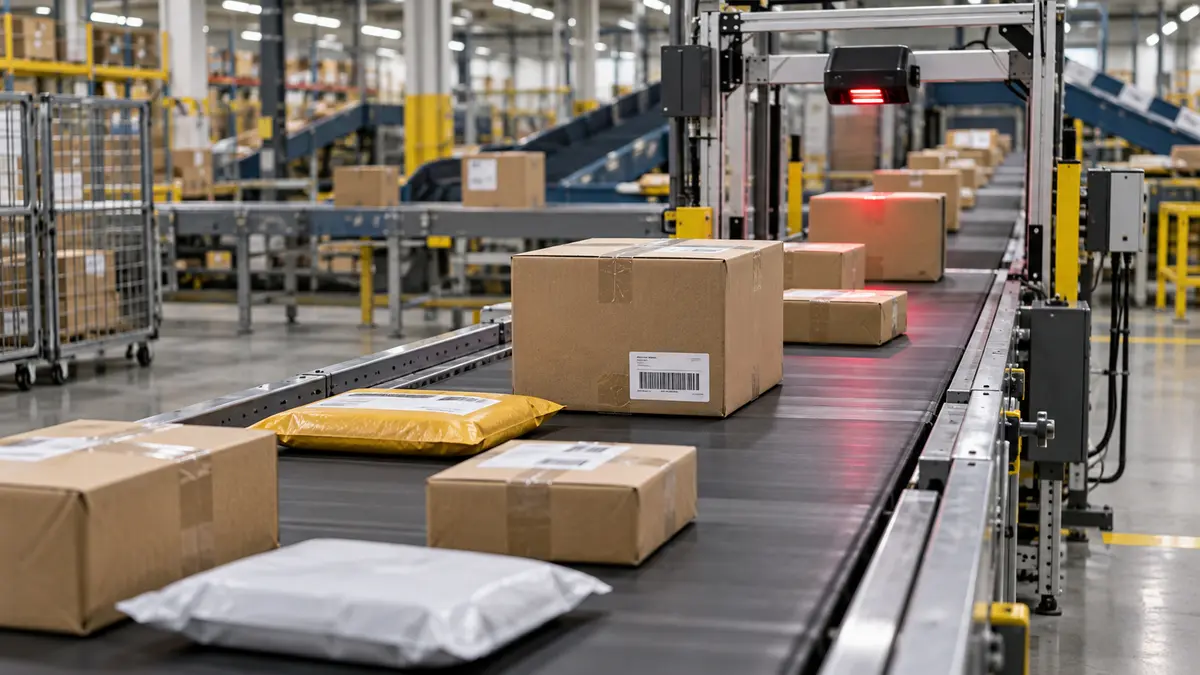
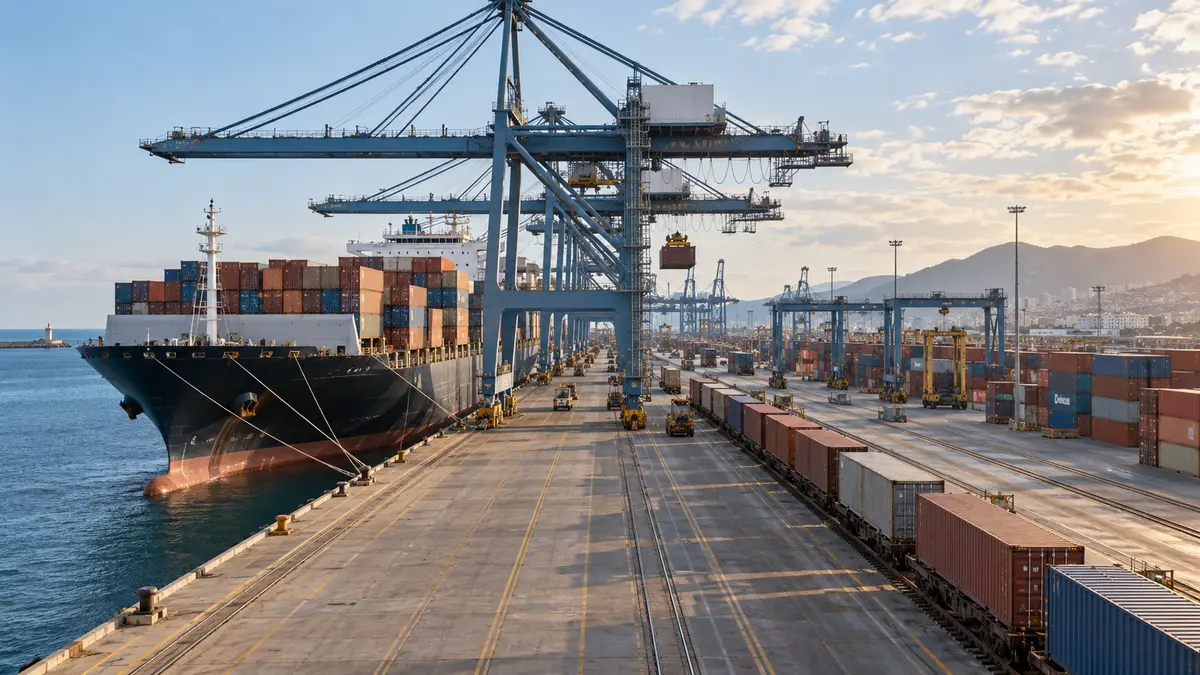
Freight forwarding arranges movement between regions and transport modes. Contract logistics manages inventory, facilities, orders and value-added work closer to the customer's operations. Combining them can reduce handoffs and give one provider a wider view of stock, transport and delivery commitments.
NX Group said Metro would strengthen its end-to-end capabilities. The benefit will depend on data integration: a shipment milestone has to connect with warehouse availability, labour planning, order priority and last-mile appointments before the combined view changes decisions.
Scale raises the integration burden
Approximately 8,000 employees and 2 million square metres of warehousing create purchasing power and customer reach, but also expose the buyer to lease terms, labour practices, site-level technology and safety regimes. Integration cannot pause daily fulfilment while systems and reporting lines are redesigned.
The buyer expected the acquisition to contribute positively to consolidated net income from its first year even after amortisation of intangible assets. That remains a forecast. Refinancing, cross-selling and operational synergies must outweigh financing expense, integration cost and any underperformance that prevents the earn-out from being paid.
Agreement is not completion
The April 17 share-purchase agreement was subject to antitrust and foreign-investment review, with closing planned during the second half of 2026. Until those conditions are satisfied, Metro remains a separate operator and the proposed network benefits are not yet realised.
The largest deal in Nippon Express history will ultimately be judged at warehouse doors and customer interfaces. If forwarding data, local inventory execution and regional delivery become one dependable service, the acquisition adds more than size. If the businesses remain parallel, C$2.2 billion of potential consideration will have bought a network without creating the promised end-to-end system.

















HOT NEWS INTERNATIONAL
Leave a comment