
 EN
EN RU
RUJohnson & Johnson is committing $2 billion over ten years to a dedicated biologics facility inside Fujifilm's Holly Springs campus. The arrangement adds reserved manufacturing capability without turning the partner's wider site into a J&J-owned plant.
On 21 August 2025, Reuters reported that Johnson & Johnson would expand its U.S. manufacturing footprint in North Carolina. The headline number is substantial, but its meaning depends on three qualifiers: the commitment runs for a decade, the space exceeds 160,000 square feet, and the facility sits within a new Fujifilm Biotechnologies site rather than on a campus owned by J&J.
Holly Springs buys reserved capability, not an entire campus
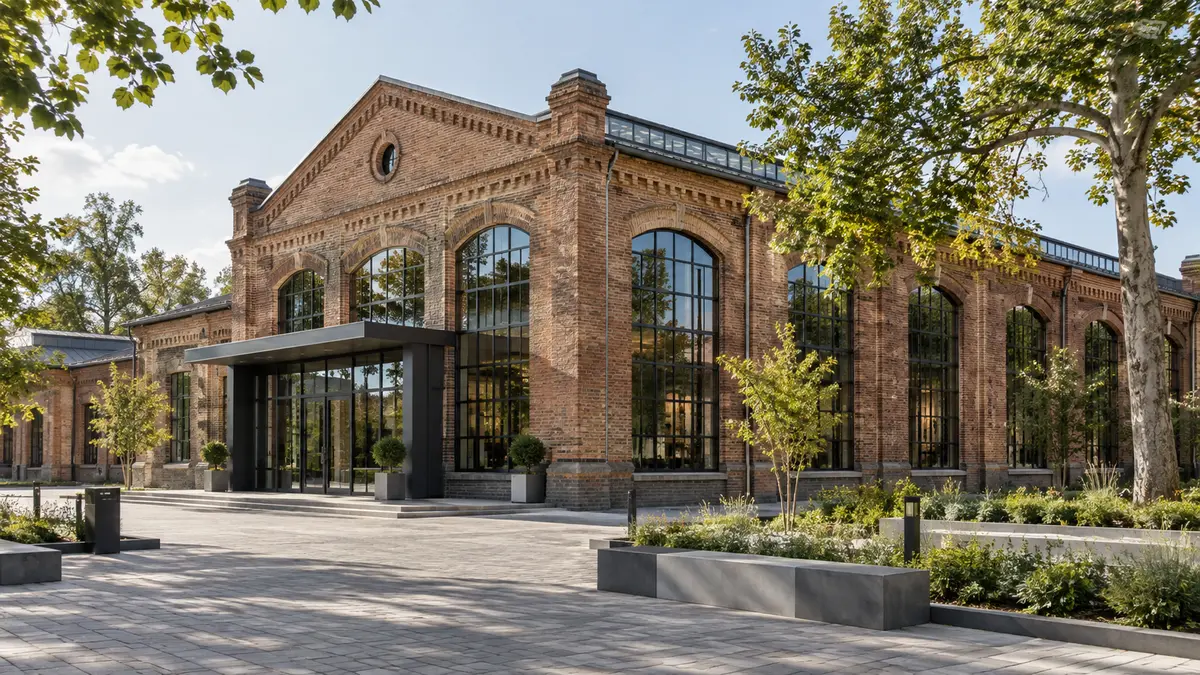
A dedicated facility inside a contract manufacturer's campus is a middle course between owning a complete factory and buying undifferentiated capacity when needed. J&J can configure space, equipment and controls around its product portfolio, while Fujifilm supplies the broader manufacturing environment and specialist operating platform.
The company announcement says the Holly Springs facility will support production of next-generation medicines and create approximately 120 jobs. Both are prospective outcomes. Commercial output must still pass construction, equipment qualification, technology transfer, process validation and regulatory gates.

What the dedicated suite must separate and what it may share
- product-contact equipment, batch records and material identity need strict control;
- personnel and material flows must prevent mix-ups and contamination;
- quality responsibilities need explicit boundaries between sponsor and manufacturer;
- utilities, laboratories, warehousing and technical specialists may gain campus economies;
- change control must protect J&J processes without paralysing a multi-client site;
- capacity rights need schedules, escalation rules and continuity provisions.
The $2 billion belongs to a ten-year operating relationship
The commitment should not be read as a single construction cheque issued in 2025. Spending across ten years can include facility enablement, equipment, reserved capacity, validation work, technology transfer and manufacturing services. The economic value therefore arrives through usable and compliant batches, not through floor area alone.
That longer horizon also changes the evidence investors and customers should watch. Early milestones concern fit-out and qualification. Later milestones concern regulatory readiness, yield, cycle time, reliable release and the ability to add products without destabilising those already in production.
Wilson is a separate J&J-owned investment
Holly Springs is not the large greenfield plant J&J had already announced in Wilson, North Carolina. The Wilson biologics facility is more than 500,000 square feet, is under construction and is intended to be company-owned. J&J says it will employ more than 500 people when fully operational and support approximately 5,000 construction jobs during development.
The two projects solve related but different problems. Wilson creates owned long-life capacity under direct corporate control. Holly Springs adds a dedicated block within a partner platform, potentially providing another route to skills, scale and portfolio flexibility. Treating them as one site would overstate both ownership and job numbers.

North Carolina links skills, suppliers and two investment models
Biologics manufacturing depends on more than buildings. It requires experienced operators, quality professionals, engineers, laboratories, cold-chain services and suppliers able to support controlled processes. Placing two projects in the same regional ecosystem can widen recruitment and vendor options, though it may also intensify competition for scarce technical talent.
J&J is based in the United States, where the projects add domestic production options. Fujifilm is rooted in Japan and has built a global contract-development and manufacturing business. The arrangement is therefore both a regional capacity decision and a cross-border supplier relationship.
Milestones that would turn the announcement into evidence
- define the dedicated space, product scope and responsibility matrix;
- complete equipment installation and utility qualification;
- transfer processes and demonstrate reproducible engineering batches;
- validate cleaning, production and analytical methods;
- obtain required regulatory approvals for product manufacture;
- report released batches, reliability and employment separately for each site.
The projects sit inside a wider $55 billion plan
J&J places Holly Springs and Wilson within a plan to invest more than $55 billion in U.S. manufacturing, research and development, and technology over four years. That umbrella figure is broader than factory construction and should not be allocated wholly to North Carolina.
Reuters framed the announcement against possible pharmaceutical tariffs and a broader drive to manufacture medicines domestically. That is relevant context, but it is not the company's only stated rationale. J&J also points to portfolio growth, advanced capacity, supply resilience and the needs of future medicines.
Capacity becomes valuable only after qualification
The Holly Springs commitment gives J&J another path to U.S. biologics production without duplicating every campus function. Its attraction is the combination of dedicated control and partner scale. Its risk is that ownership boundaries, quality responsibilities and capacity rights must work during real production rather than only in contracts.
The most useful future updates will keep the two North Carolina projects separate and distinguish money committed from facilities qualified, jobs planned from jobs filled, and potential medicines from released supply. The announcement adds a second bet; operational evidence will show whether the two models reinforce each other.











HOT NEWS INTERNATIONAL
Leave a comment