
 EN
EN RU
RUHappyRobot raised $44 million to automate the repetitive calls, messages and updates surrounding freight operations. The opportunity is not to move cargo virtually, but to reduce the communication friction that leaves trucks waiting, appointments missed and staff chasing routine answers.
On 3 September 2025, Forbes reported that the San Francisco startup had secured a Series B led by Base10 Partners. Existing investors and strategic participants also joined. The round followed a $15.6 million Series A announced ten months earlier and brought company-reported total funding to $62 million.
Freight still moves physically even when conversations are automated
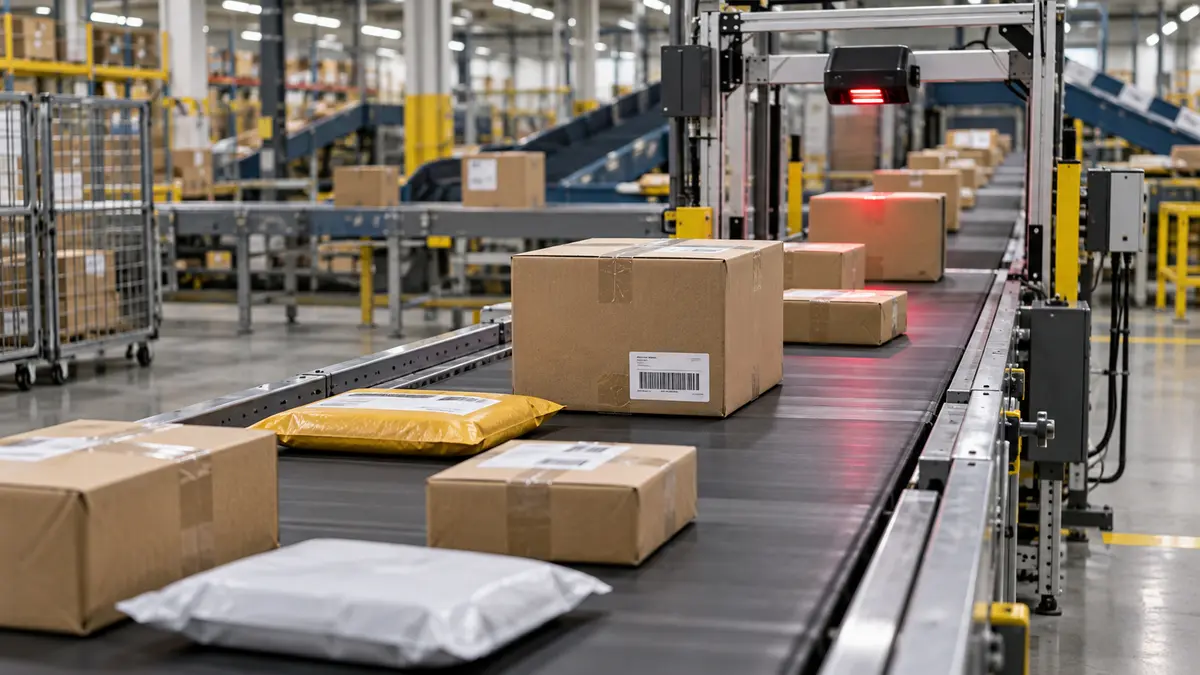
A load reaches its destination through trucks, drivers, warehouses, docks, pallets and handling equipment. Software cannot replace those assets. It can, however, coordinate the high-volume conversations wrapped around them: finding an available carrier, negotiating a rate, confirming a driver, reserving a dock window, collecting a document and reporting an exception.
Those interactions are repetitive but operationally consequential. One incorrect address or missed appointment can waste vehicle and warehouse capacity. HappyRobot is therefore selling communication execution rather than physical transport, and its value must be measured in the real flow of freight.

Typical communication steps around one load
- identify eligible carriers and confirm equipment availability;
- request, compare and negotiate rates within authorised limits;
- verify pickup details, driver identity and arrival expectations;
- book or change warehouse appointments;
- collect documents and update transport systems;
- escalate unusual commercial, safety or service exceptions.
The $44 million round finances expansion, not proven savings
The company release says the proceeds will support hiring, product development and more enterprise deployments. Those are intended uses of capital. The funding amount is neither revenue nor a quantified benefit already delivered to freight customers.
HappyRobot reported more than 70 enterprise customers in production. That indicates adoption but does not by itself reveal the scale of each deployment, the workflows covered or the economic result. A small pilot and a network-wide operating process should not count as equivalent evidence.
An AI agent needs authority boundaries, not just a natural voice
A phone conversation can sound fluent while producing the wrong operational commitment. Freight rates depend on lane, equipment, timing, fuel, accessorial charges and market conditions. Appointment booking depends on warehouse capacity and the shipment's real readiness. An effective system therefore needs controlled access to current data and explicit permission limits.
The safest design distinguishes routine decisions from exceptions. An agent may confirm a status already present in the transport system, accept a rate inside a defined band or select an available slot. It should route ambiguous identity, unusual liability, conflicting documents or out-of-policy cost to an accountable person.

Integration determines whether the answer is useful
A voice or messaging agent is only as current as the systems behind it. It may need connections to a transportation-management system, warehouse schedule, customer records, email, documents and telephony. If those sources disagree, confident language can hide stale or incomplete information.
Useful deployments define a system of record for each field, record every action and retain the evidence behind a commitment. They also manage consent, call recording, personal data and security. These controls matter because a logistics conversation can change price, timing and contractual obligations.
The market is larger than the call centre
HappyRobot is based in the United States, but freight communications cross companies, time zones and languages. The product opportunity extends from brokers and carriers to third-party logistics providers, warehouses and shippers. Each segment has different data, vocabulary and authority models.
Expansion across workflows can compound value because one confirmed appointment affects dispatch, warehouse labour and customer updates. It can also compound errors if an incorrect decision propagates automatically. Growth should therefore follow measured reliability rather than the number of conversations alone.
Evidence that would demonstrate operating value
- baseline manual time and service performance before deployment;
- measure successful completion by workflow, not raw call volume;
- track incorrect commitments, overrides and escalations;
- connect outcomes to truck dwell, missed appointments and cost;
- audit permissions, data sources and recordings;
- expand only after reliability holds under peak and exception conditions.
The useful robot is the one that knows when to stop
HappyRobot's financing reflects investor confidence that communication is a large, automatable layer of the real economy. Logistics offers abundant repetitive work, fragmented participants and expensive delays, making it a plausible proving ground for agents that act rather than merely answer questions.
The test is not whether software can hold a convincing call. It is whether the call creates a correct, authorised and recorded operating result. If the platform integrates reliable data and hands difficult cases to people early, the $44 million can fund durable workflow capacity. Without those controls, conversational scale can simply produce mistakes faster.


















HOT NEWS INTERNATIONAL
Leave a comment