
 EN
EN RU
RULONDON, 3 March 2026 — Rosebank Industries has agreed to buy two American manufacturers for a combined enterprise value of about $3.05 billion, using a large equity raise and new debt to finance the move. The deal gives its improvement model two very different tests: precision components and heavy process equipment.
Management is targeting an increase of 6–7 percentage points in adjusted operating margin at each company. That is a plan rather than an achieved result. The acquisitions enlarge Rosebank quickly, but they also require it to improve factories, working capital and aftermarket service without weakening customer relationships or underinvesting in equipment.
One transaction brings together two industrial systems
Bloomberg reported that the British acquisition vehicle would buy MW Components and CPM from funds managed by American Securities. The businesses share an industrial customer base but make different products and operate with different economics.
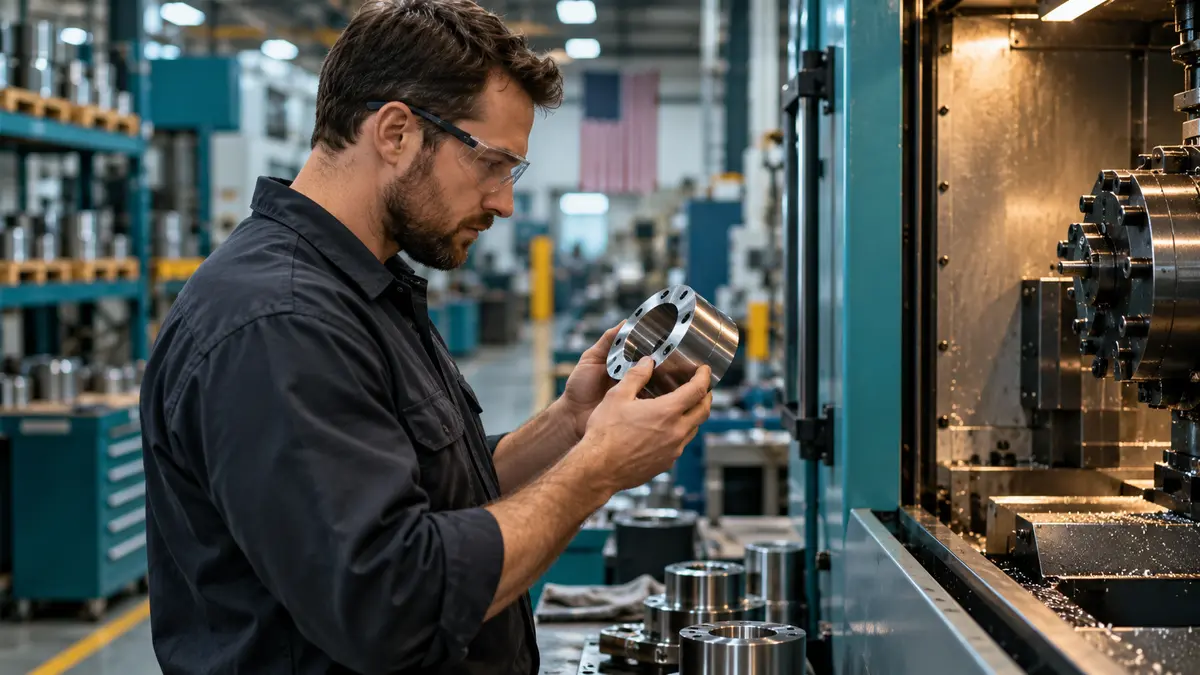
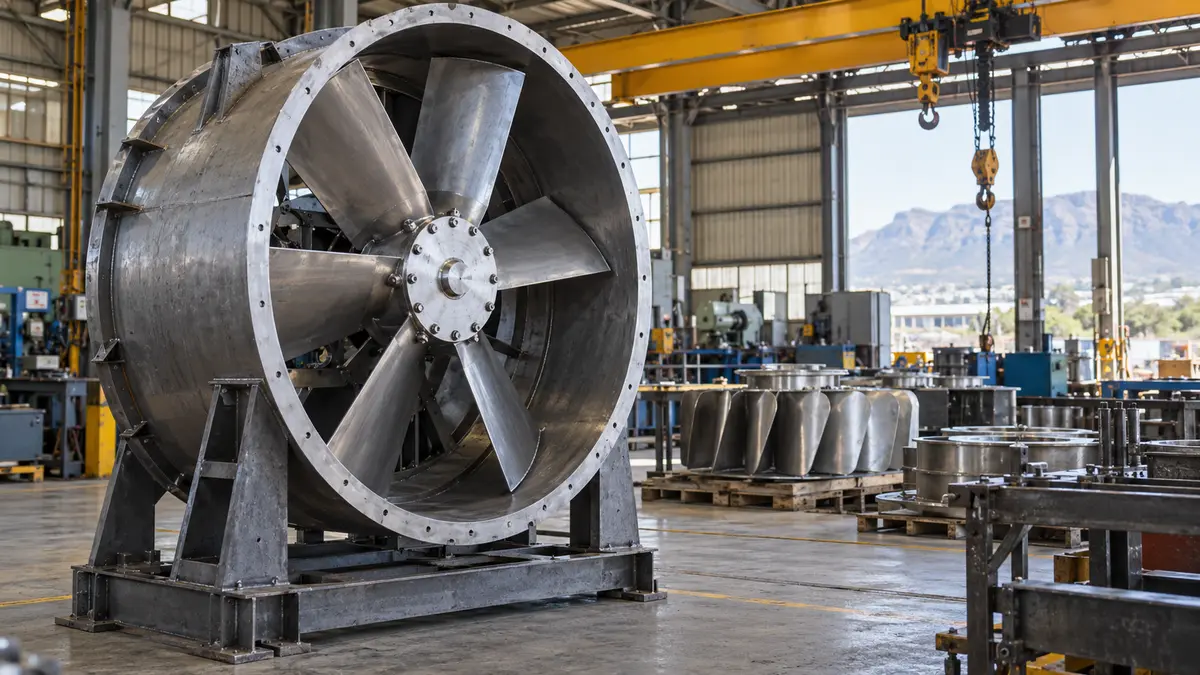
MW Components produces springs, fasteners and precision metal parts used in aerospace, energy, electronics and other demanding applications. CPM supplies engineered machinery for oilseed processing, animal feed, renewable energy, plant-based food and industrial materials, supported by a substantial installed base and aftermarket activity.

The starting figures reveal different margin profiles
- MW Components reported 2025 revenue of $500 million and a 15% adjusted operating margin;
- it operated across 24 facilities;
- CPM reported $713 million of pro forma revenue for the year to September 2025;
- CPM's adjusted operating margin was 22%;
- its installed base exceeded 60,000 machines.
The headline price excludes a conditional payment
Rosebank's transaction announcement put the combined cash purchase at approximately $3.05 billion on a debt- and cash-free basis. A performance-linked CPM earn-out could add up to $200 million and was excluded from that enterprise value.
No earn-out is payable below $175 million of CPM EBITDA for the financial year ending September 2026, while the maximum is reached at $192 million. This makes part of the seller's proceeds depend on near-term operating performance, but it can also complicate decisions about timing costs or investment during the measurement period.
Equity carries most of the immediate funding burden
Rosebank raised approximately £1.9 billion from institutions by issuing 575,757,575 shares at £3.30 each. Directors and employees subscribed for a further £12.3 million. New debt facilities were intended to fund the balance of the acquisitions.
The large equity component reduces the amount of acquisition debt that the enlarged group must support, although it dilutes existing ownership. Management's stated ambition was to reduce leverage at the acquired businesses to roughly 2.75x EBITDA, freeing cash for investment rather than interest and repayment.

Six points of margin cannot come from one lever
Rosebank identified restructuring, simplification and operational initiatives as sources of a 6–7 percentage-point gain at each target. A programme of that size usually has to combine procurement, factory flow, pricing, product mix, overhead and working-capital discipline.
CPM's more than 60,000 installed machines create an aftermarket opportunity because customers require parts and service over long equipment lives. MW Components' 24-site footprint offers network choices, but consolidation must preserve qualification, lead times and local technical knowledge for mission-critical parts.
The buyer crosses the Atlantic through operating assets
Rosebank is a company from the United Kingdom, while both targets are based in the United States. Currency, tax, regulation and management distance therefore sit alongside the factory-level work.
The targets already sell into broad industrial markets, reducing dependence on a single end use but not eliminating cyclicality. Oilseed investment, aerospace production, energy projects and electronics demand can move at different speeds, making portfolio balance useful only if cash and capital are allocated carefully.
Agreement and completion are separate events
The March announcement described conditional agreements subject to shareholder and regulatory steps. Rosebank later confirmed that CPM completed on May 12 and MW Components on May 28, 2026.
Completion changes the evidence available. From that point, investors can test the thesis against order intake, factory investment, working capital, aftermarket growth, restructuring costs and cash conversion rather than relying only on acquisition presentations.
The deal turns a strategy into a measurable operating promise
Rosebank calls its approach Buy, Improve, Sell. Buying two businesses at once gives scale, but it also removes the excuse that management attention can focus on a single transformation. Each company needs a tailored programme and clear accountability for the promised margin bridge.
The $3.05 billion purchase will be justified neither by deal size nor by a higher reported group revenue. The durable test is whether investment and simplification lift cash earnings without eroding the technical capabilities and customer trust that made the targets valuable in the first place.
















HOT NEWS INTERNATIONAL
Leave a comment